Why You Feel Stuck: And Why Systems, Goals, and Willpower Aren’t the Real Problem

The belief gap no one talks about
The gap between:
- who you are and who you believe you should be
- what you have and what you believe you should have
That gap creates pressure. Stress. Frustration. Shame.
So people go looking for systems.
“Just give me the steps.”
“Tell me what to do and I’ll do it.”
“I don’t care how hard it is, I just want this fixed.”
I understand that impulse. I lived there.
But here’s the hard truth most systems never address:
If your beliefs about yourself stay the same, your results eventually snap back no matter how good the system is.
The Hidden Foundation Behind All Behavior
Every result in your life sits on top of behavior.
And every behavior sits on top of belief.
Not motivation.
Not discipline.
Not talent.
Belief.
What you believe to be true about yourself determines:
- how you show up
- what you tolerate
- what you attempt
- what you avoid
- how you respond under pressure
You don’t see the world as it is.
You see the world through the lens of how you see yourself.
That’s not philosophy. That’s psychology.
And this is why people can:
- follow the plan
- set the goal
- take the course
- read the book
…and still sabotage themselves without knowing why.
Why “Just Think Positive” Doesn’t Work
Let’s clear something up.
You can’t simply tell yourself you’re amazing and expect your life to change.
Affirmations don’t override beliefs.
They bounce off them.
Beliefs aren’t wishes.
They’re thoughts that have been repeated, proven, and accepted as fact.
Your brain doesn’t ask whether they’re helpful.
It only asks whether they feel familiar and true.
That’s why real belief change takes intention not hype.
Why This Isn’t a “Low Self-Esteem” Problem
This work isn’t for broken people.
It’s for human beings.
I’ve worked with strong men, capable parents, high performers, and leaders who look fine on the outside and they all have quiet beliefs that say:
- “I’m behind.”
- “I don’t quite measure up.”
- “Something about me is off.”
- “I should be better than this.”
This isn’t a personal failure.
It’s the default setting.
If you don’t intentionally build your beliefs, your brain builds them for you and it usually leans negative.
The Three Places Your Self-Beliefs Come From
Every belief you hold about your value comes from one of three places.
If you want to change your results, this is where you start.
1. Things You’ve Done
Every person has a past they’d edit if they could.
Mistakes. Regret. Shame.
Things you wish you hadn’t done or hadn’t done that way.
Here’s the problem:
Your brain doesn’t just remember the action.
It assigns meaning.
It quietly says:
“Because I did that, this must be who I am.”
Over time, behavior becomes identity.
And unless you separate what you did from what you’re worth, that belief will keep running your life.
2. Things You Didn’t Do
Missed chances.
Moments you didn’t show up.
Times you knew better and still didn’t act.
I know this one personally.
There were years I wasn’t the parent I wanted to be.
That’s real.
That’s done.
The question isn’t whether it happened.
The question is what you decide it means about you now.
Because guilt that never gets examined turns into a permanent belief and permanent beliefs quietly block progress.
3. Things Done to You
This one cuts deep.
Sometimes it’s trauma.
Sometimes it’s abuse.
Sometimes it’s a single sentence spoken at the wrong time by the wrong person.
A teacher.
A coach.
A parent.
An authority figure.
A child hears:
“Don’t sing. Just mouth the words.”
And fifty years later, the belief still lives:
“I don’t have a voice.”
Your brain wasn’t trying to hurt you.
It was trying to make sense of the world.
But unexamined meaning becomes a life sentence.
Why Awareness Is the First Non-Negotiable Step
You can’t change what you won’t look at.
Beliefs operate in the background quietly shaping your reactions, expectations, and limits.
Awareness doesn’t fix everything.
But nothing gets fixed without it.
Ten to fifteen minutes a day.
Uninterrupted.
Honest.
Ask yourself:
- What do I believe about myself because of what I’ve done?
- What do I believe about myself because of what I didn’t do?
- What do I believe about myself because of what was done tome?
- Then ask the most important question:
“How does believing this make me feel and how does it affect the way I live?”
The Truth About Belief Change
Beliefs don’t change overnight.
But they don’t take years either.
They change the same way they were built:
- repetition
- evidence
- attention
You don’t replace a belief by fighting it.
You replace it by proving something more accurate.
Piece by piece.
Day by day.
Fifteen minutes of focused work can change the direction of a life because it removes the internal road blocks that systems can’t touch.
Why This Changes Everything
When beliefs shift:
- discipline gets easier
- choices get cleaner
- courage shows up without force
- progress stops feeling like a fight
This is how I was able to:
- walk away from addiction
- change my health
- rebuild my relationships
- increase my income
- stop living at war with myself
Not because I became perfect.
Because I changed what I believed was possible and deserved.
If You Feel Stuck, Start Here
You don’t need a new plan.
You don’t need more pressure.
You don’t need to be harder on yourself.
You need to question the beliefs you’ve been living inside.
Because you cannot out perform what you believe to be true about yourself.
And once those beliefs change, the gap starts to close.
Final Thought
You are not broken.
You are not behind.
And you are not disqualified by your past.
Connect with me at stablelivingcoaching.com
And remember, you cannot fail as long as you Don’t Ever Stop Chasin’ It!
FREE RESOURCE


Want stronger, closer relationships with your kids, your spouse, and everyone who matters most?
You deserve it. And you can!
Sign up for weekly tools to communicate better, connect deeper, and create more trust and love in every relationship.
Your guide to understanding yourself and the people you love on a whole new level.
Sign up here:
Thank you! Your submission has been received!
Oops! Something went wrong while submitting the form.

FREE RESOURCE
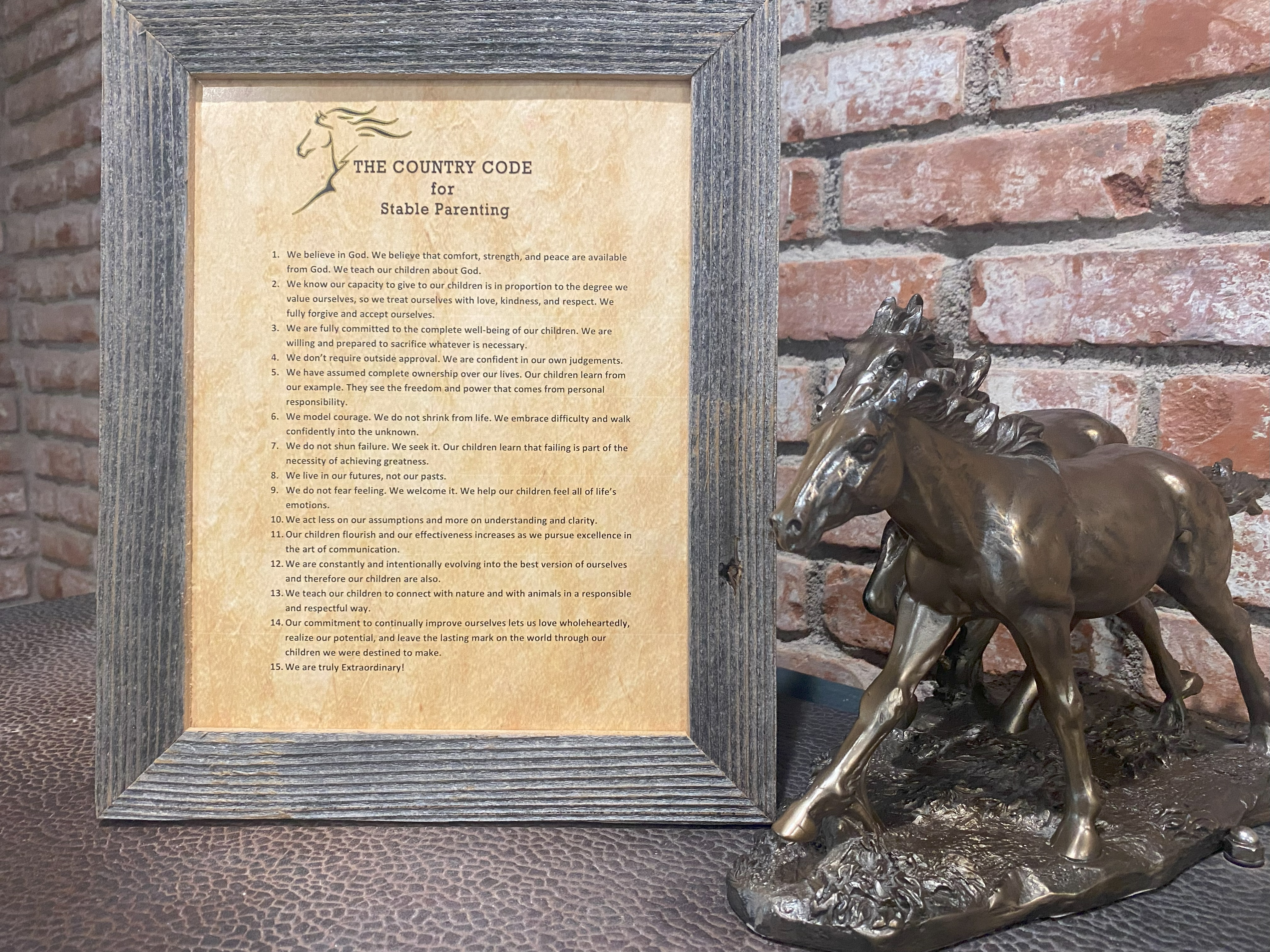
The Country Code for Stable Parenting:
Inspiration for parents. Enter your info below to get a free printable, frameable copy of The Country Code for Stable Parenting.
Print it. Frame it. Live It. Love It.
Live by the Country Code. It’s time to Thrive!
Print it. Frame it. Live It. Love It.
Live by the Country Code. It’s time to Thrive!
Thank you! Your submission has been received!
Oops! Something went wrong while submitting the form.