Why Teens Push Parents Away: Lessons from Wild Horses on Healthy Independence

What Weaning in Horses Teaches Us About Separation
In the wild, a mare’s bond with her foal is unbreakable—at first. She stays within a step or two of her newborn, fiercely protective and attentive. Over time, this changes as the foal grows. The foal begins exploring, venturing farther from its mother, while the mare gradually loosens her protective instinct. By around nine months, the mare no longer allows nursing, and the foal starts eating independently and socializing more with other horses.
This natural process is not without challenges. Mares can become overly aggressive in their protective instincts, sometimes causing unintended harm to their foals or other curious horses. Parents can also react in ways that aren't helpful, or even harmful, when we feel threatened.
How Parenting Teens Mirrors the Wild Horse Experience
Like foals, teenagers naturally seek independence as they grow. They pull away, explore their own identities, and gravitate toward peers. As parents, this detachment can feel personal—your once-clingy child now wants privacy, distance, or even outright separation.
It’s easy to fall into thoughts like, "They don’t appreciate me," or, "I’ve failed as a parent." These feelings can lead to reactions that escalate conflict, creating even greater distance. However, it’s important to remember that this phase of separation is not just normal—it’s necessary for their growth.
Parents might notice behaviors like teens walking several steps behind them, wanting to be dropped off blocks away from school, spending hours locked in their rooms, or responding with frustration when approached. They might even lash out with things like, "Leave me alone, Mom!" These actions, while difficult to handle, are part of their journey toward self-reliance.
Understanding Healthy Detachment vs. Isolation
The key lies in understanding the difference between healthy detachment and harmful isolation. Teens need space to establish their sense of self, but they also need structure, boundaries, and support. This balance can feel impossible, but asking yourself a few questions can help you navigate this process:
- Is this behavior healthy? As a parent, you usually have a sense of whether their actions are healthy or harmful. If you're unsure, consult a medical professional.
- Are they respecting boundaries? Are they keeping family agreements and maintaining basic rules as they distance themselves?
- What am I feeling? Take a moment to identify and understand your emotions. Are they coming from fear, insecurity, or unmet expectations?
- How can I support healthy detachment? What steps can you take to encourage independence while staying present as a loving leader
Helping Teens Become Independent Adults
As hard as it can be to let go, it’s crucial to remember the ultimate goal: raising respectful, independent, and capable adults. When we mentally prepare for this transition, we can approach it with love and understanding instead of resistance.
Just as foals need time to become self-sufficient horses, teens need time and space to become their own people. By regulating our emotions and responding thoughtfully, we show our children what it means to navigate challenges with respect and confidence. This approach not only strengthens your relationship but also teaches them by example.
How Stable Living Coaching Can Help Parents and Teens
Parenting is never perfect, and that’s okay. What matters most is showing up with love and intention, even when things feel chaotic. Stable Living Coaching offers tools and strategies to help parents and teens navigate these tricky years with more confidence and connection.
FREE RESOURCE


Want stronger, closer relationships with your kids, your spouse, and everyone who matters most?
You deserve it. And you can!
Sign up for weekly tools to communicate better, connect deeper, and create more trust and love in every relationship.
Your guide to understanding yourself and the people you love on a whole new level.
Sign up here:
Thank you! Your submission has been received!
Oops! Something went wrong while submitting the form.

FREE RESOURCE
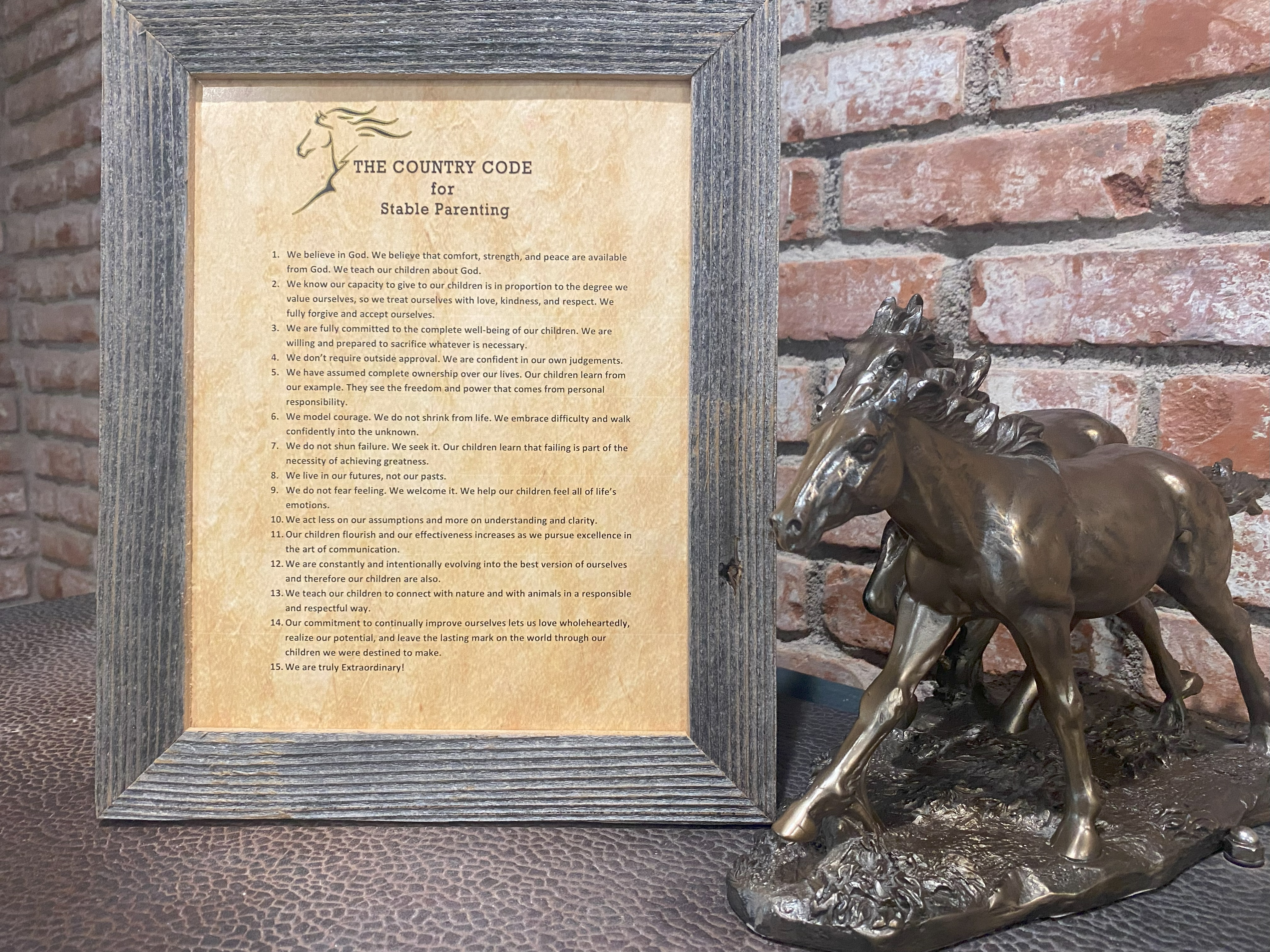
The Country Code for Stable Parenting:
Inspiration for parents. Enter your info below to get a free printable, frameable copy of The Country Code for Stable Parenting.
Print it. Frame it. Live It. Love It.
Live by the Country Code. It’s time to Thrive!
Print it. Frame it. Live It. Love It.
Live by the Country Code. It’s time to Thrive!
Thank you! Your submission has been received!
Oops! Something went wrong while submitting the form.