The Opposite of Humility: Understanding Arrogance and Pride
Being humble is often thought of as being weak. My definition is the opposite. Let’s dive into humility today. To show the meaning, let’s look at the opposite. The opposite of humility is arrogance or pride.
Here’s an example: There was a horse veterinarian who was videoed kicking a horse in the head. The video went viral, and the ensuing comments were filled with disgust and hate. The vet committed suicide. After his death, the comments continued with messages such as, “he got what he deserved,” “good riddance,” “I have never laid a hand on an animal and anyone who does, doesn’t deserve to live,” and such. Why is it, do you think, that we often condemn other people?
Why do we often have a tendency to devalue humans rather than condemn the actions of humans? Why in this example do you think so many people attacked the man? Why, if people disagreed with the action, didn’t they use the law and regulation put in place by our society to discipline or punish him and leave it at that? If they felt the law or regulation wasn’t an adequate deterrent for the action, why didn’t they attempt to change the law or regulations? Instead, they attacked the man. Why?
Reasons Behind Condemnation
Here are a few of the reasons:
- When we lack the internal strength to confront our own flaws, we can project those feelings outward, targeting others as a way to distract from our inner discomfort.
- Harshly criticizing others can create a false sense of superiority. This need to assert dominance or rightness comes from an underlying lack of confidence or self-worth.
- Sometimes we devalue others to fit in and feel accepted by a group because we might not feel confident in our own position or opinion.
Arrogance stems from a lack of confidence. It means that one thinks they are better or more valuable than another. These behaviors are an attempt to feel better about ourselves either consciously or not. And we do feel better—a little better for a little while—but the long-term result is that we perpetuate our insecurities.
How Humility Builds Confidence and Compassion
Humility is perceived as weakness because we can relate it to giving in or not fighting back, turning the other cheek, and such. Humility is actually strength. Humility is confidence. When we more fully accept ourselves as we are, we give ourselves the capacity to learn and improve and to accept others as they are. Humility gives us the ability to be compassionate and empathetic. We see ourselves and others as imperfect, valuable persons who sometimes do things we regret or have shame for. When we acknowledge our perfect imperfection, we can do the same for others.
Openness and Growth Through Humility
Another aspect of humility is openness. Humility is being teachable and being coachable. If you ask 100 people if they have a growth mindset or a fixed mindset, nearly all of them will say they have a growth mindset. However, a large percentage of adults believe they know what they need to know and operate within the world with no perceived need for further development, improvement, or education. Humility is also realizing we are works in progress that have the ability to progress continually if we choose. When we see ourselves in this way, we give ourselves the gift of evolution, and we can see others as having the ability to change and improve.
Humility is not giving up or not standing up for what we believe in. It has nothing to do with sacrificing our values or giving in to what we judge to be wrong. It doesn’t mean not judging. It means not judging the value of others as less than ourselves.
Conclusion: Humility is Strength
The more we learn to love and accept ourselves, the more we can practice humility, the more we can add value to our lives, and the more we can add value to the people around us. Humility builds confidence, fosters empathy, and nurtures growth in ourselves and others.
FREE RESOURCE


Want stronger, closer relationships with your kids, your spouse, and everyone who matters most?
You deserve it. And you can!
Sign up for weekly tools to communicate better, connect deeper, and create more trust and love in every relationship.
Your guide to understanding yourself and the people you love on a whole new level.
Sign up here:
Thank you! Your submission has been received!
Oops! Something went wrong while submitting the form.

FREE RESOURCE
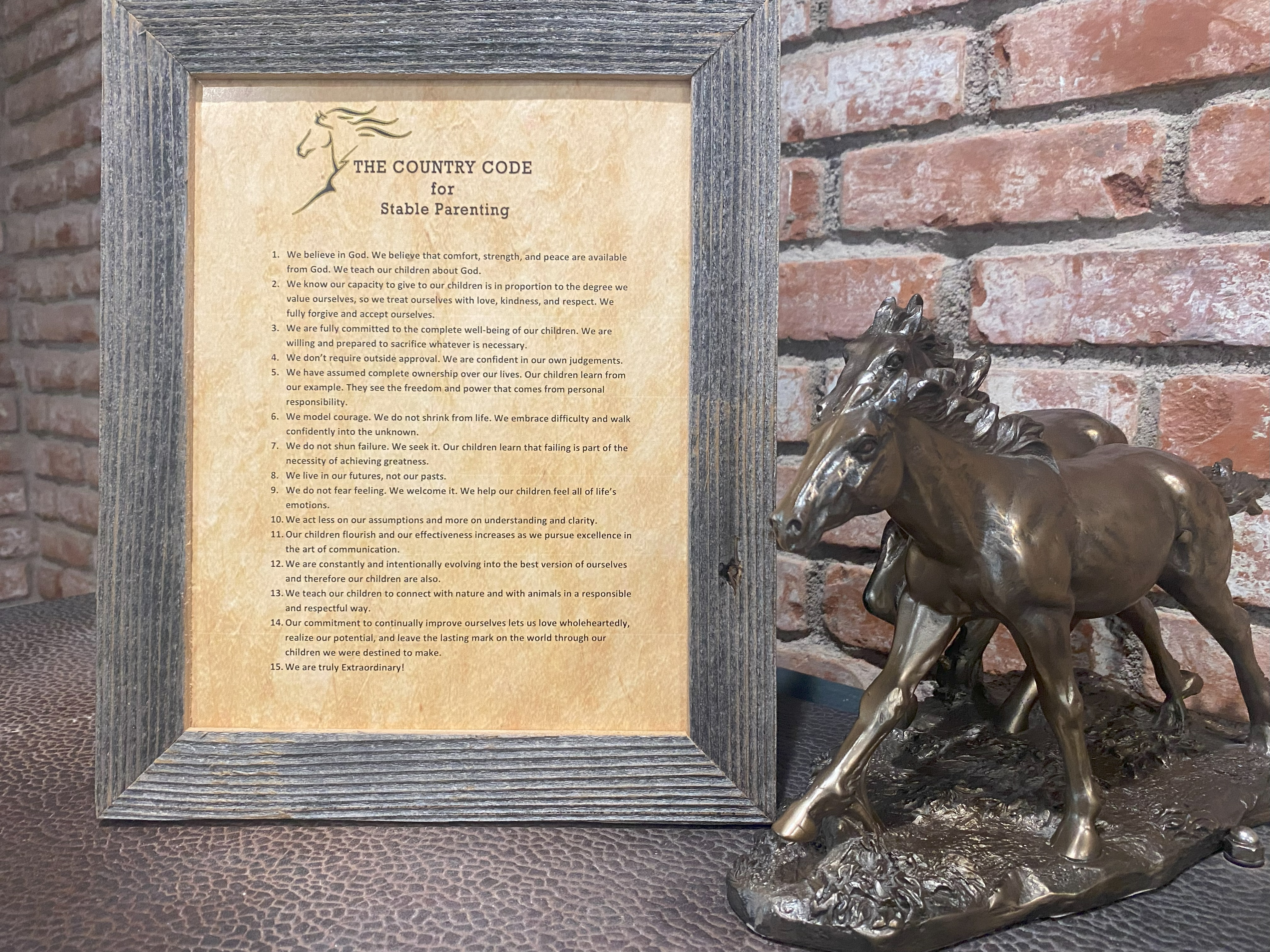
The Country Code for Stable Parenting:
Inspiration for parents. Enter your info below to get a free printable, frameable copy of The Country Code for Stable Parenting.
Print it. Frame it. Live It. Love It.
Live by the Country Code. It’s time to Thrive!
Print it. Frame it. Live It. Love It.
Live by the Country Code. It’s time to Thrive!
Thank you! Your submission has been received!
Oops! Something went wrong while submitting the form.