Understanding Rejection Starts With Your Self-Beliefs
Rejection and self-beliefs are deeply connected. To navigate rejection in a healthy way, it’s important to first understand how your beliefs about yourself are formed and how they influence your reactions.
In The Secret to Living, I share 6 Truths About You, including this: Beliefs are not static. They must be continually cultivated.
From childhood onward, we’re constantly making meaning about ourselves based on what we think and do, as well as how others treat us. This includes our self-image, confidence, and esteem. But the tricky part is that much of this meaning-making happens unconsciously.
As Brooke Castillo explains: Most of our thoughts are unsupervised, haphazard, unconscious, and pre-programmed. We act as if we are at the effect of our circumstances until we become aware of our thinking and realize we can change it.
By becoming intentional with your thoughts, you can take control of how rejection impacts your self-beliefs. Progress starts with awareness. When you recognize the thoughts shaping your reactions, you open the door to change.
How Rejection Affects Our Self-Beliefs
Rejection stings because it touches on our sense of worth. Whether it’s being ghosted, passed over for a promotion, or rejected in a relationship, it feels deeply personal. Unlike failure, which is task-specific, rejection involves an interpersonal dynamic that often leaves us questioning, What’s wrong with me?
The pain of rejection isn’t just emotional; it’s physical. Research published in the Proceedings of the National Academy of Sciences shows that the brain processes rejection in the same way it processes physical pain.
In fact, studies using MRI scans reveal that the same brain regions activated by physical pain are also activated during experiences of rejection. Remarkably, taking acetaminophen (like Tylenol) can even reduce the emotional pain of rejection because it dampens neural pain signals.
This research underscores an important truth: the pain of rejection is real, and acknowledging it is the first step toward healing.
Rejection Is Inevitable - But You Can Improve How You Handle It
Rejection is a part of life. It comes from opportunities, relationships, and decisions others make. But while you can’t avoid rejection, you can learn to handle it in a way that strengthens you.
Some people intentionally practice rejection to build resilience. For example, Brooke Castillo recommends aiming for 25 rejections per quarter as part of her goal-setting process. The idea is simple: the more you experience rejection, the less it defines you.
Every rejection is an opportunity to grow—not just in resilience, but in how you view yourself.
3 Tips to Remedy Rejection
While rejection is unavoidable, how you respond to it is entirely within your control. These three strategies can help you process rejection in a healthy way and even turn it into an opportunity for growth.
1. Rally Your Support
Rejection can feel isolating, but you don’t have to face it alone. Reach out to someone you trust and share your experience. Be kind to yourself. Talk to yourself the way you’d comfort a loved one. Avoid self-criticism and focus on your strengths. Remind yourself that rejection doesn’t define your worth.
This approach is similar to Brené Brown’s concept of “shame resilience.” By connecting with someone who offers empathy, you reduce the emotional weight of rejection.
2. Allow Yourself to Feel
It hurts, and it’s okay to feel that pain. Avoid the temptation to numb the discomfort with distractions or “buffering” behaviors like overeating, overspending, or excessive screen time.
Instead, give yourself permission to sit with the emotion. It’s only by fully experiencing your feelings that you can move through them.
3. Make Intentional Meaning
One of the most powerful ways to handle rejection is to reframe its meaning. Instead of letting it define you, decide how you want to think about it going forward.
- What can you learn from this experience?
- How can it shape your future choices in a positive way?
- How much time and energy do you want to spend dwelling on it?
By taking charge of the meaning you assign to rejection, you turn it into an opportunity for growth.
Rejection Often Isn’t About You
Research shows that about 90% of the time, rejection is more about the other person’s circumstances than it is about you. Maybe they’re overwhelmed, distracted, or facing their own struggles.
When you’re in the position of rejecting someone else, remember this: if the rejection isn’t about them, let them know. A simple explanation like, “This decision was based on our current needs, not are flection of your abilities,” can make a big difference in how they process the experience.
Turning Rejection Into Growth
Rejection is never easy, but it doesn’t have to be a roadblock. By understanding how it impacts your self-beliefs, acknowledging the pain, and taking intentional steps to move forward, you can turn rejection into a stepping stone for growth.
Remember: rejection isn’t a reflection of your worth. It’s simply a part of life—a part you can navigate with strength and grace.
FREE RESOURCE


Want stronger, closer relationships with your kids, your spouse, and everyone who matters most?
You deserve it. And you can!
Sign up for weekly tools to communicate better, connect deeper, and create more trust and love in every relationship.
Your guide to understanding yourself and the people you love on a whole new level.
Sign up here:
Thank you! Your submission has been received!
Oops! Something went wrong while submitting the form.

FREE RESOURCE
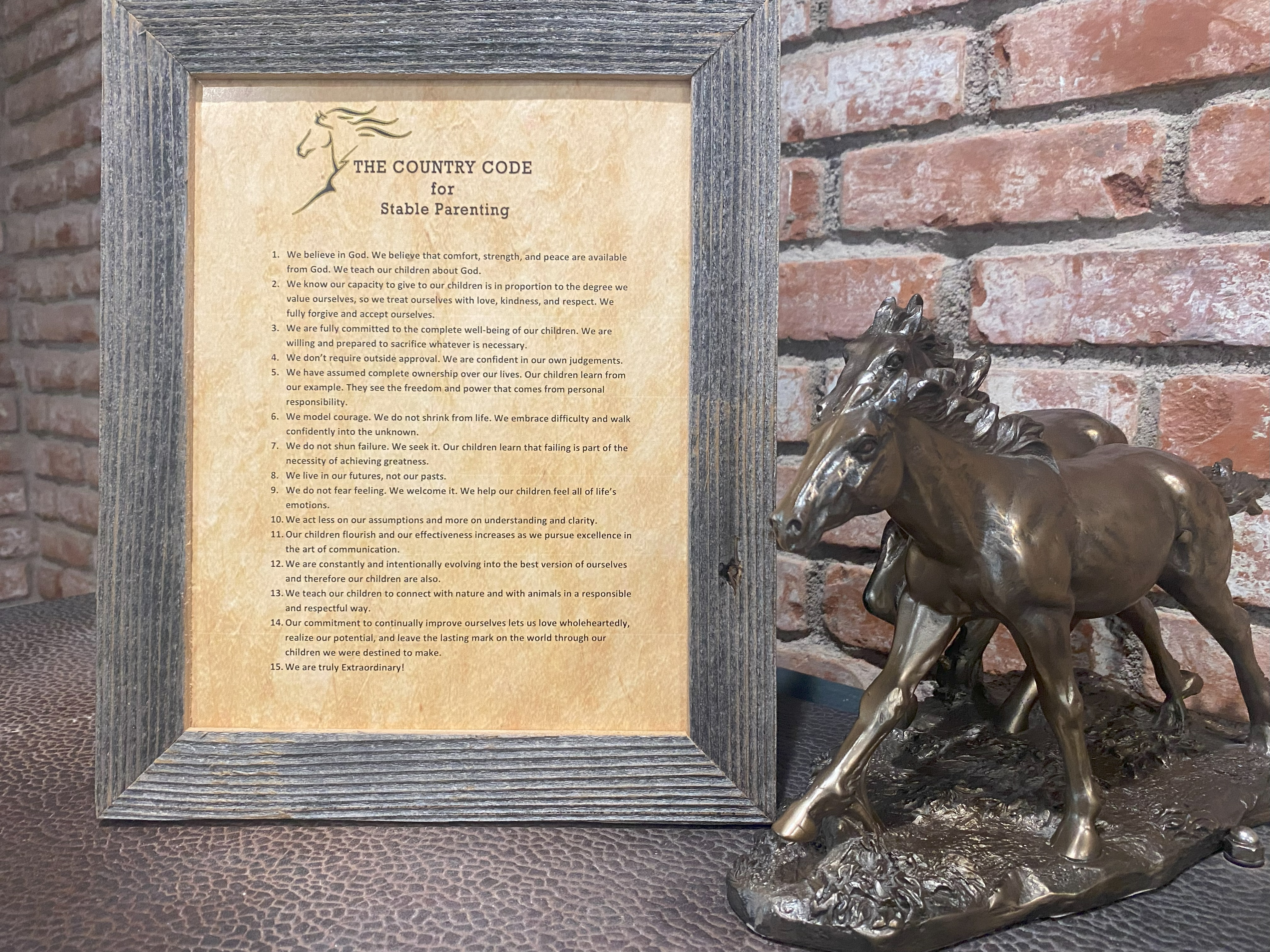
The Country Code for Stable Parenting:
Inspiration for parents. Enter your info below to get a free printable, frameable copy of The Country Code for Stable Parenting.
Print it. Frame it. Live It. Love It.
Live by the Country Code. It’s time to Thrive!
Print it. Frame it. Live It. Love It.
Live by the Country Code. It’s time to Thrive!
Thank you! Your submission has been received!
Oops! Something went wrong while submitting the form.